


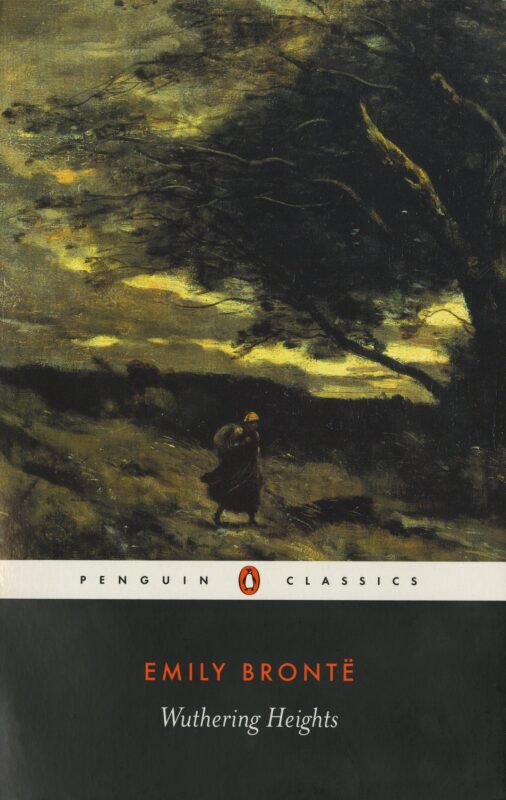
Title: Wuthering Heights
Author: Emily Brontë (1818 – 1848)
Published: 1847
Pages: 416 Pages
Structure: 34 chapters
Wuthering Heights is a turbulent novel that left me feeling like I had weathered a tempest of passion and revenge. At numerous times throughout this powerful book I felt anger and exasperation at the cruelty of the characters.
The only novel written by Emily Brontë, Wuthering Heights explores the turbulent relationships between two families who live on the West Yorkshire moors.
It is written with a unique multi-level style of narration. We begin with what appears to be a journal entry by Lockwood, a new tenant at Thrushcross Grange. But his narrative quickly expands into a retelling of other people’s stories. We hear his retelling of entries in Catherine Earnshaw’s childhood diaries, scribbled in the margins and blank pages of old textbooks. He retells his conversations with Nelly Dean, his housekeeper. Nelly’s conversations retell the details of conversations she had with Heathcliff as a youngster, and of letters she received from Isabella – Heathcliff’s wife later in the novel.
At some stages we end up three or four layers deep in “He said that she said that he said…” – gradually veiling the raw details of an event with the feelings, emotions and memories associated with it.
This magnifies the intensity of the story since we are never presented with a simple list of facts. Instead we experience the story from the perspective of the characters – we identify with them, and so we respond emotionally to their plight.
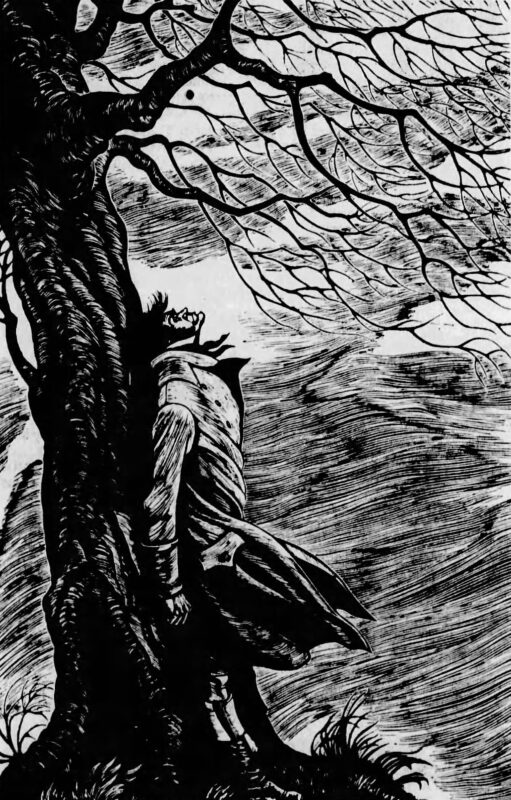
The novel explores how trauma changes the people it touches, and how that damage spreads from one character to another in an ever-widening circle of destruction.
Old Mr Earnshaw rescues a young homeless boy (Heathcliff) on a trip to Liverpool and brings him home to raise as his own. He dotes on the child, which evokes jealousy from Earnshaw’s children. In the case of the eldest son, Hindley, this jealousy grows into intense hatred.
So, from the very beginning, he bred bad feeling in the house; … the young master had learned to regard his father as an oppressor rather than a friend, and Heathcliff as a usurper of his parent’s affections and his privileges; and he grew bitter with brooding over these injuries.
And the hatred expresses itself in cruelty, abuse and revenge:
“He (Hindley) had been blaming our father for treating Heathcliff too liberally; and swore he would reduce him to his right place.”
We also experience the contempt with which the Linton family from the neighboring farm treat Heathcliff and Catherine after catching them wandering around their home after dark. Years later he is devastated when he discovers that Catherine has decided to marry Edgar Linton because of his wealth.
Catherine and Heathcliff share a fierce bond that goes far beyond ordinary friendship. As children they roam the moors together, forming a connection that Catherine later describes in almost elemental terms. In one of the most famous lines of the novel she declares:
“I am Heathcliff.”
But Catherine also feels the pull of social respectability and comfort represented by the Linton family. Her decision to marry Edgar Linton divides her from Heathcliff and becomes the emotional fault line that drives the tragedy of the novel.
Heathcliff is gradually changed over the course of the story and becomes brooding, vindictive and spiteful.
We observe him deliberately entice Hindley to ruin through gambling, debt and alcoholism. We see him deliberately lead Hindley’s son Hareton astray. We see him marry Edgar’s sister Isabella out of spite, and we see him abduct Edgar’s daughter Cathy and force her to marry Linton. Through his life, Heathcliff is consumed by passion and vengeance, and wreaks destruction on both families.
“I want you to be aware that I know you have treated me infernally… and if you fancy I’ll suffer unrevenged, I’ll convince you of the contrary.”
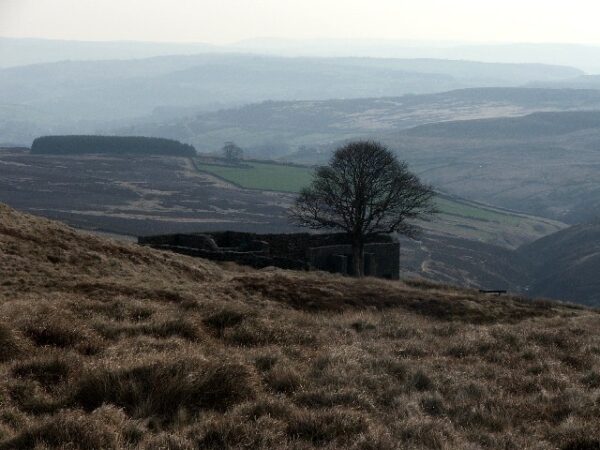
The weather is intertwined with the tempestuous passions of the story. At many key points throughout the novel we see the forces of nature reflect the emotions of the characters. Snow storms force people indoors, mist makes it impossible to see where they’re going, cold and rain buffet them, and occasionally they relax in warm weather.
It sometimes feels as if the characters are driven by forces beyond their control. That they’re not completely responsible for their actions. That the trauma they suffered made them act the way they did.
But Brontë turns all that on its head. At the start of the novel, in winter, Lockwood describes the hateful relationship between young Cathy and Hareton. We see how both these characters suffer intensely throughout the story because of the passions of others. But by the end of the novel, in spring, they discover happiness and love together. Catherine teaches Hareton to read and Lockwood describes a warm scene between them as they talk affectionately together.
These two scenes are like book-ends to the story, and suggest that there is hope of happiness despite trauma. But it’s done quietly. There’s no “grand redemption”. The pains of the past are not washed away in a triumphal flood of happiness. The circle of pain is closed with modest happiness that comes after immense violence, like calm weather returning after a long storm on the moors.
Wuthering Heights is a dark and often uncomfortable book, but it is also a powerful one. Its storm of passion, cruelty and longing leaves deep scars across two generations. And yet, in the quiet friendship that grows between Cathy and Hareton, Brontë suggests that even the harshest climate can eventually give way to gentler weather.